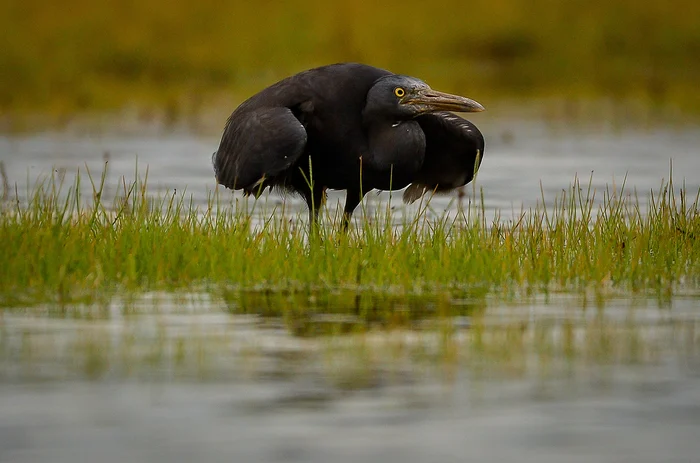
Ōhiwa Harbour - a haven for wading birds
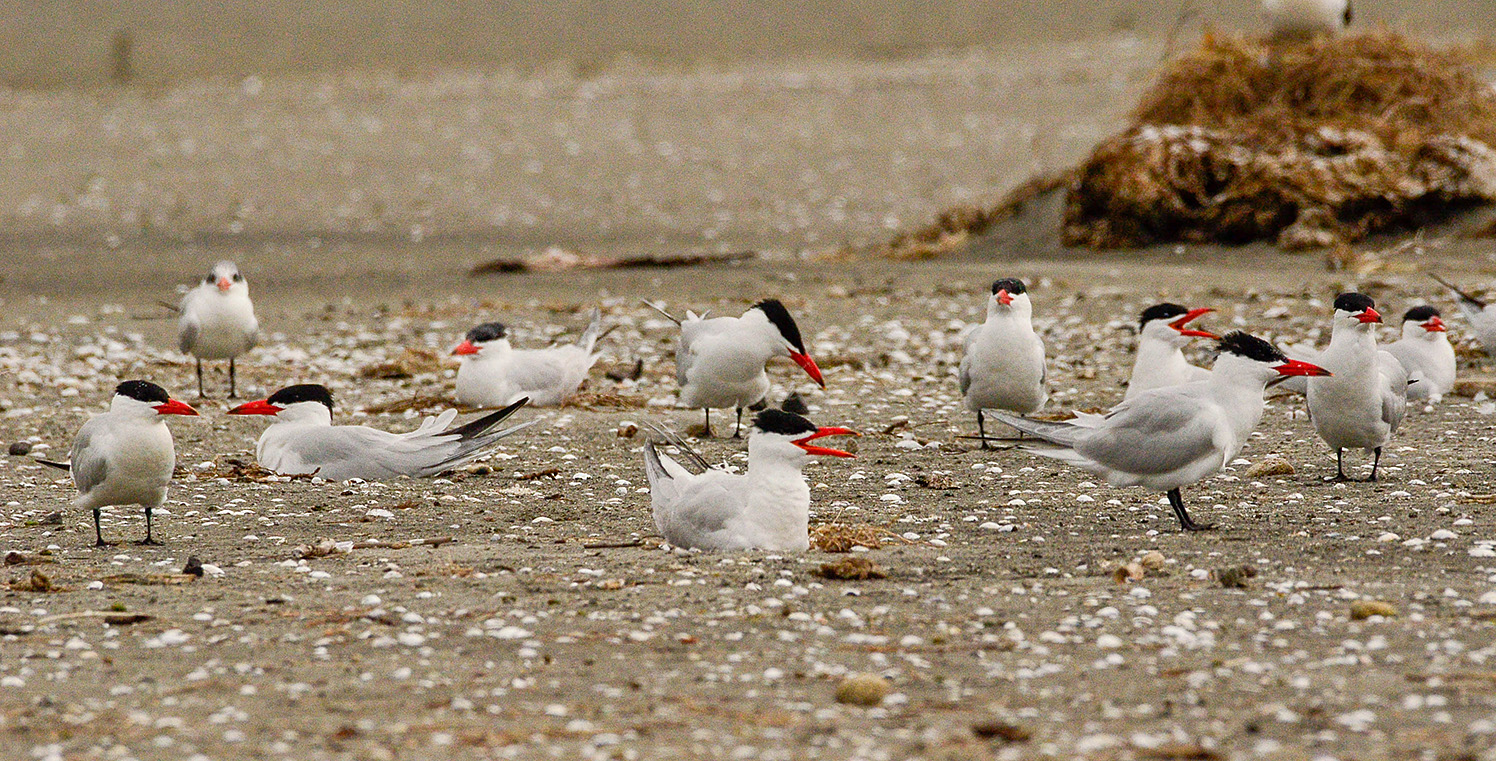
NESTING: Caspian terns on Whangakopikopiko. Photos M Sothieson
News Editor
Mithuna Sothieson
Reef heron (matuku moana), wrybill (ngutu pare), Pacific golden plover (kuriri), ruddy turnstones, black-fronted dotterel and Eurasian (eastern) whimbrel have all added to a remarkable summer of rare bird sightings around Ōhiwa Harbour.
In addition, the largest flock of bar-tailed godwit (kuaka) has been recorded wintering in the harbour since 1989 – estimated at over 4000 birds, according to Meg Collins, co-ordinator of the Birds New Zealand annual Ōhiwa wader counts.
Godwits are renowned for their extraordinary non-stop migration from Alaska to New Zealand in as little as eight days.
Globally, their numbers are declining due to habitat loss, degradation, climate impacts and disturbance.
The increase at Ōhiwa may reflect reduced high-tide roosts as sea-level rise affects other harbours and estuaries elsewhere in the country.
Currently, the godwits in the harbour are colouring into their rusty breeding plumage as they prepare to depart in mid-March for their long migration north, with a stopover in the South China Sea.
On Whangakopikopiko, a small island in the harbour, severe erosion continues to reduce nesting habitat for threatened shorebirds.
Despite this, eight NZ dotterel (tūturiwhatu) pairs successfully nested, with at least four chicks fledging.
A mixed colony of red-billed (tarāpunga) and black-billed gulls (tarāpuka) fledged more than 90 birds.
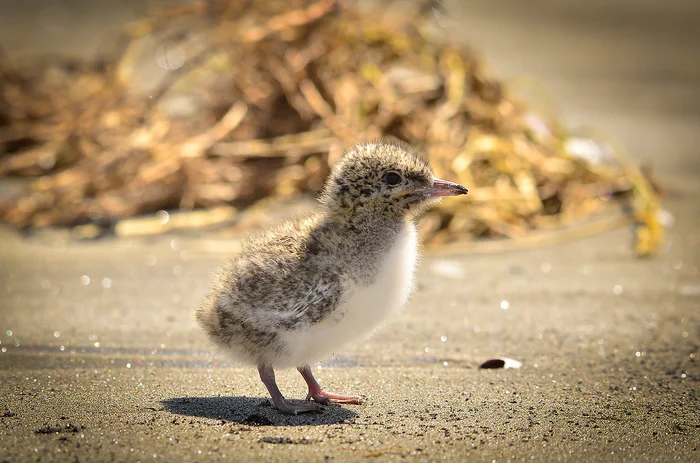
Both white-fronted terns (tara) and Caspian terns (taranui) also fledged chicks, even after earlier nests were washed out.
This is the second consecutive year white-fronted terns have bred on the island – unusual for a species that typically shifts breeding sites annually.
These sightings and breeding successes highlight the critical role of Ōhiwa Harbour as habitat for wading birds.
For Ōpōtiki-based community conservation groups Ruatuna-Pukeruru Care Group, Hurike Care Group, Ōhiwa Reserves Care Group, Bryans Beach Area Community Group and the Ōhiwa Headland Sanctuary Trust – results like these inspire and showcase the benefits of working together to protect and restore the harbour’s natural values.