
Work under way on 16-home Kawarehe Kāinga Māori development
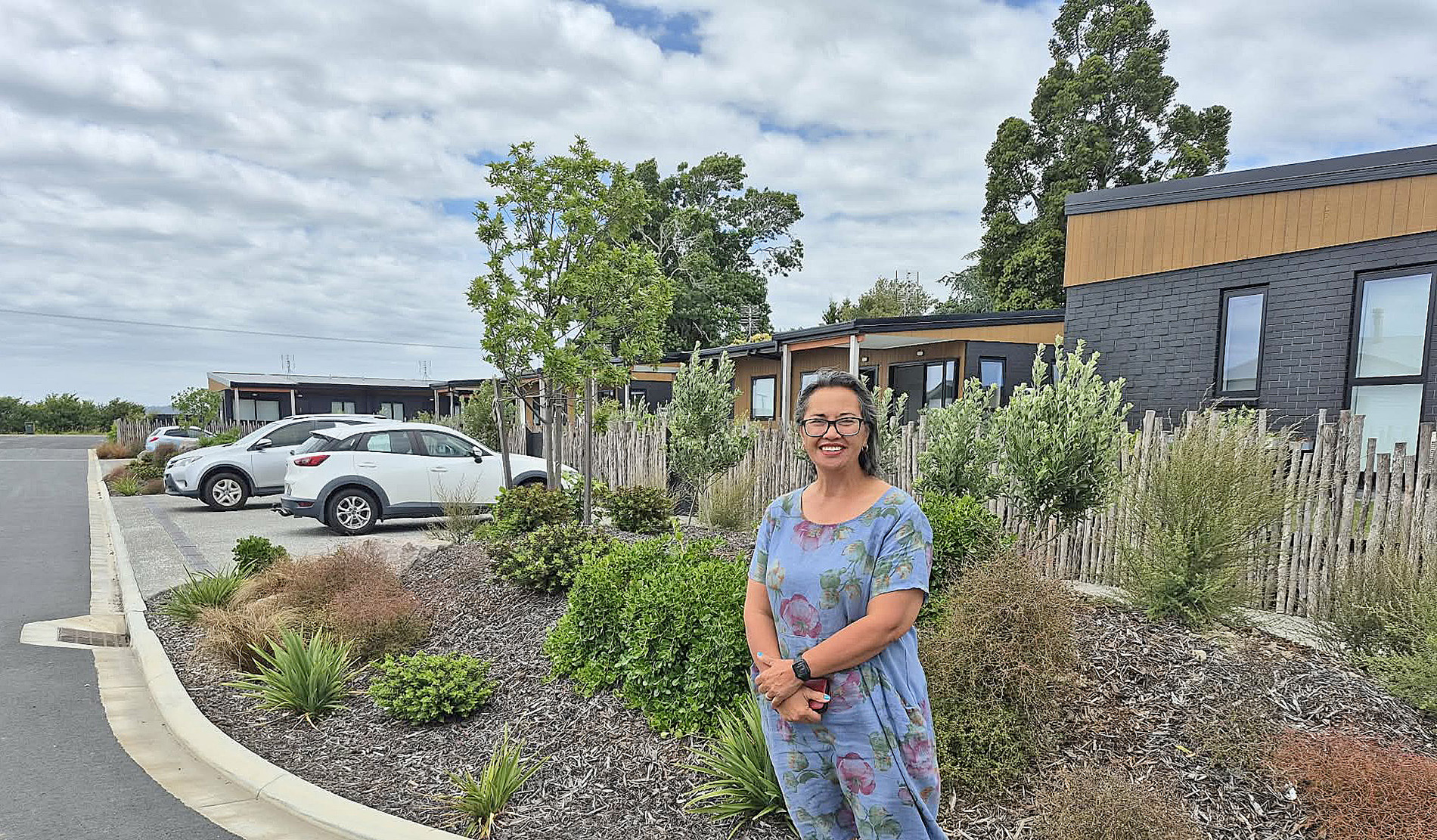
WHĀNAU HOUSING: Enid Ratahi-Pryor at the Tūkōkeke papakāinga, an established affordable housing development for kaumātua in Whakatāne. Photos Tamara Herdman E5858-07
Tamara Herdman
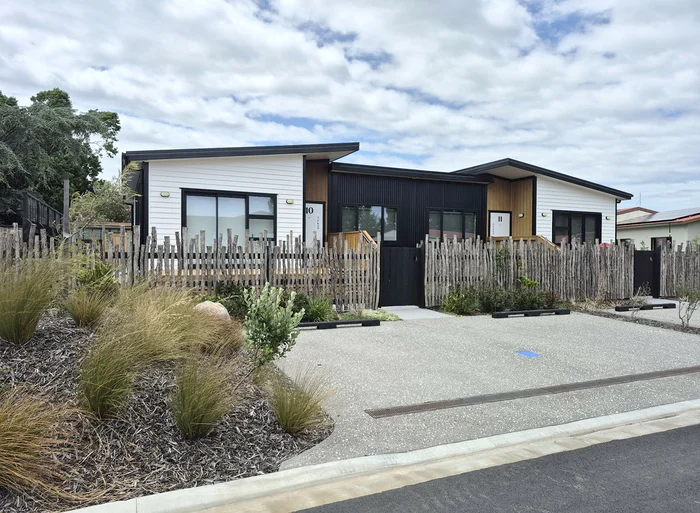
On the outskirts of Whakatāne, work is under way on Kawarehe Kāinga Māori, a new papakāinga (village settlement) development designed to provide affordable rental housing for working whānau on a pathway to home ownership.
The development at 30A Huna Road is being delivered through a partnership between Kawarehe Trust, Te Tohu o Te Ora o Ngāti Awa, and Adventure Solutionz.
Stage one includes 16 affordable rental homes, with an estimated build cost of $10.4 million, funded by the Ministry of Housing and Urban Development and Kawarehe Trust.
Construction is scheduled for completion by June of this year.
The project seeks to empower whānau to transition from poverty to wellness through culturally grounded housing accompanied by financial support services.
Tenancies will be managed by Te Tohu o Te Ora o Ngāti Awa’s tenancy management company, He Tohu Kainga, with rents subsidised at 70 to 80 percent of market rent.
This model is similar to the already established Tūkōkeke papakāinga on Golf Links Road, where 15 affordable rental homes are now occupied by kaumātua.
Te Tohu o Te Ora o Ngāti Awa chief executive Enid Ratahi-Pryor said the project reflected a deliberate shift away from emergency housing to long-term, sustainable housing solutions.
“For a long time, we were responding at the other end – placing people in hotels or short-term accommodation.
“We were providing emergency housing from 1989 all the way up to about four years ago when we handed in all our emergency housing contracts,” she said.
“What we observed was that housing stock in Whakatāne simply wasn’t increasing, and those solutions weren’t permanent. So, we changed strategy and started building.”
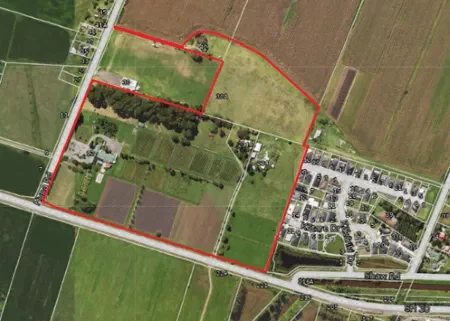
The site is consented for up to 56 homes following Whakatāne District Council’s Plan Change 8, which rezoned approximately 15 hectares of land near Huna Road.
Mrs Ratahi-Pryor said the affordable housing programme sat between social housing and full market rentals as “affordable housing” and was targeted at working whānau, who aspired to own their own home.
“These homes are for people who just need that bit of a hand up,” she said. “They need to be working, and they need to be willing to commit to saving. We discount rent by around 20 to 30 percent from market rates, and in return whānau are on a savings plan toward home ownership.”
“When people eventually go to a bank for a mortgage, that savings history really matters,” she said. “The idea is not to create dependency, but to support independence.”
The Stage one build includes a mix of two-, three- and four-bedroom homes, along with the relocation of the original homestead to form a central community hub. Landscaping and shared green spaces will be developed to support connection and social interaction.
Mrs Ratahi-Pryor said the design reflected kāinga Māori (Maori Housing) philosophy that prioritised community and collective wellbeing.
Eligibility criteria include being a low-income earner who is working toward home ownership, actively saving for a home deposit, open to living and engaging in a papakāinga environment, and willing to work with multiple services and agencies to achieve home ownership.
Mrs Ratahi-Pryor said it did not matter where people were from, as long as they met the criteria.
“For example, living in the Tūkōkeke papakainga, we have people from South Africa who meet the criteria,” she said. “We’re not limited by ethnicity.”
She said adding affordable homes helped ease pressure on the rental market in Whakatāne, with positive long-term effects.
Kawarehe Trust trustee and chair Erin Te Pou said the development was the first major housing project the trust had undertaken and represented a significant shift from the land’s historic use.
“Our trust is a long-standing whānau trust, and for generations this land was used for farming, mainly maize,” she said. “The homestead on the property was home to several generations of our family, so this is a really special place for us.”
Mrs Te Pou said the trust’s vision was focused on long-term stability for whānau and protecting the whenua for future generations.
“This project is about creating secure, warm homes for whānau and maintaining our connection to the land,” she said. “We’re not doing this to make a profit. Our return is having the houses and knowing the land is being used in a way that supports our people.”
While the trust hopes the homes will benefit the local hapū, Mrs Te Pou acknowledges the need to balance those aspirations with wider housing pressures in Whakatāne.
“Our preference would be to see our hapū housed there first,” she said. “But we also understand the wider context – there’s significant pressure on low-income housing, and developments like this can contribute positively to the whole community.”
Mrs Te Pou said the partnership with Te Tohu o Te Ora o Ngāti Awa had been critical, particularly given the complexity of housing development on Māori land.
“As Māori land trustees, our focus is kaitiakitanga – not being property developers,” she said.
“We’ve purposefully drawn on solid partnerships and skilled advice. Māori land involves more complex processes, and that support has helped us navigate them well.”
Under the partnership model, Kawarehe Trust retains ownership of the land and homes, while He Tohu Kāinga leases and manages the properties for an agreed period. Rental income supports trust mortgages and builds long-term equity for the trust.
Mrs Ratahi-Pryor said this approach allowed Māori land trusts to grow their asset base while contributing to increased housing supply.
“It’s about swapping low-return land use for higher returns – not just financially, but socially and culturally,” she said. “Trusts build equity, whānau get homes, and the community benefits.”
Future stages of the Kawarehe Kāinga Māori development are already being planned, with confirmation received late last year for funding for a second stage of 16 additional affordable homes. A third stage, which may include rent-to-buy options, is under discussion.
Both Mrs Ratahi-Pryor and Mrs Te Pou said the long-term goal was to create a connected, thriving community where whānau could move from renting into home ownership and long-term security.
“As Māori, this is about exercising rangatiratanga over our whenua,” Mrs Te Pou said. “It shows that iwi and Māori land trusts can lead our own housing solutions, in ways that reflect our values and support future generations.”
Associate Minister of Housing Tama Potaka said the Kawarehe Kāinga Māori development was a practical example of how housing supply could be increased in regions like Whakatāne while supporting working families into stable, affordable homes.
“The project aligns with our Government’s focus on fixing the basics in housing, backing developments that add supply, ease pressure in tight rental markets, and support pathways toward home ownership,” he said.
“The Ministry of Housing and Urban Development has supported this development through funding and partnership, recognising the role iwi and Māori organisations can play in delivering housing at pace.
“Iwi-led developments like this are an important part of addressing housing need in regional New Zealand. They unlock land, build capability, and deliver homes for people who are working, saving, and wanting to get ahead.”
The kaupapa is reflected in the whakataukī on the He Tohu Kainga website – Ko te whare e hanga te tangata, ko te tangata e hangaia e te whare – the house builds the people, and the people build the house.
For more information or to apply, visit the He Tohu Kāinga website at www.hetohukainga.org.nz/tenancy.
Works at Golf Links Road
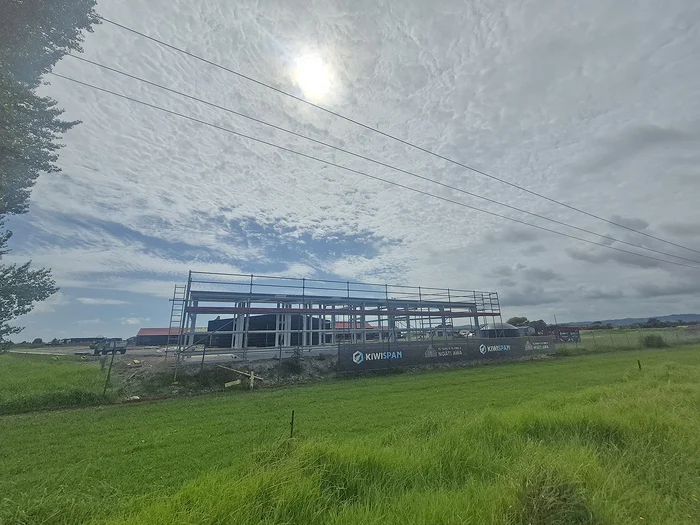
People driving past 15 Golf Links Road may have noticed increased earthworks and construction activity in recent months.
Te Tohu o Te Ora o Ngāti Awa chief executive Enid Ratahi-Pryor said the work was focused on new maintenance sheds and reconfigured parking.
“We employ about 145 staff, and we also run our own vehicle fleet, so we’ve had an overload of vehicles,” she said.
“That’s created traffic and safety issues, particularly around our early childhood centre.”
The new layout shifts staff and fleet parking away from the main site, reducing congestion and improving access.
The large sheds under construction will replace a collection of older storage buildings and garages and will primarily support housing maintenance and building teams.
“They’re purpose-built maintenance sheds,” she said.
“But they’ve also been designed to be used for emergency response if needed.”
Ratahi-Pryor said the sheds included large bays with removable internal walls, allowing space for trucks, equipment and supplies during emergency recovery operations.
“It’s about being prepared,” she said. “Most of the time they’ll be used for everyday work, but they give us the ability to respond quickly when something happens.
“What we found during Covid was that we weren’t able to manage storage for large trucks, food supplies and equipment,” she said.
“These are deliberately being built as multi-use spaces, so we have the capacity to respond when emergencies occur.”