Seven Sharp shines light on horses’ role in youth wellbeing
Contributed
Alex le Long
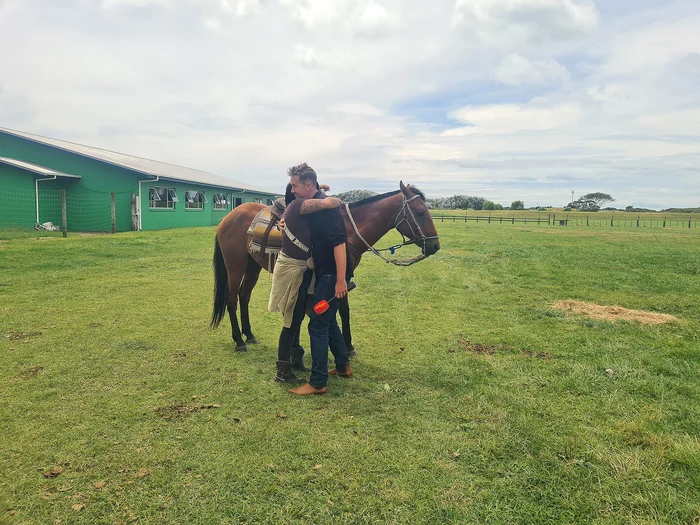
Television’s Seven Sharp visited Ōpōtiki recently to focus on a story that is often misunderstood: the role of horses in supporting wellbeing, connection, and healing for rangatahi in the community.
Reporter Lucas de Jong connected with several representatives of Ōpōtiki’s horse community, in particular the Mount Up, Native Fams and Gallop and Gather with Och.
The segment, now released, followed local horse-based kaupapa and the whānau behind them, exploring how relationships with horses help young people find calm, confidence, and balance – and why that relationship matters now.
During filming, small moments spoke loudly.
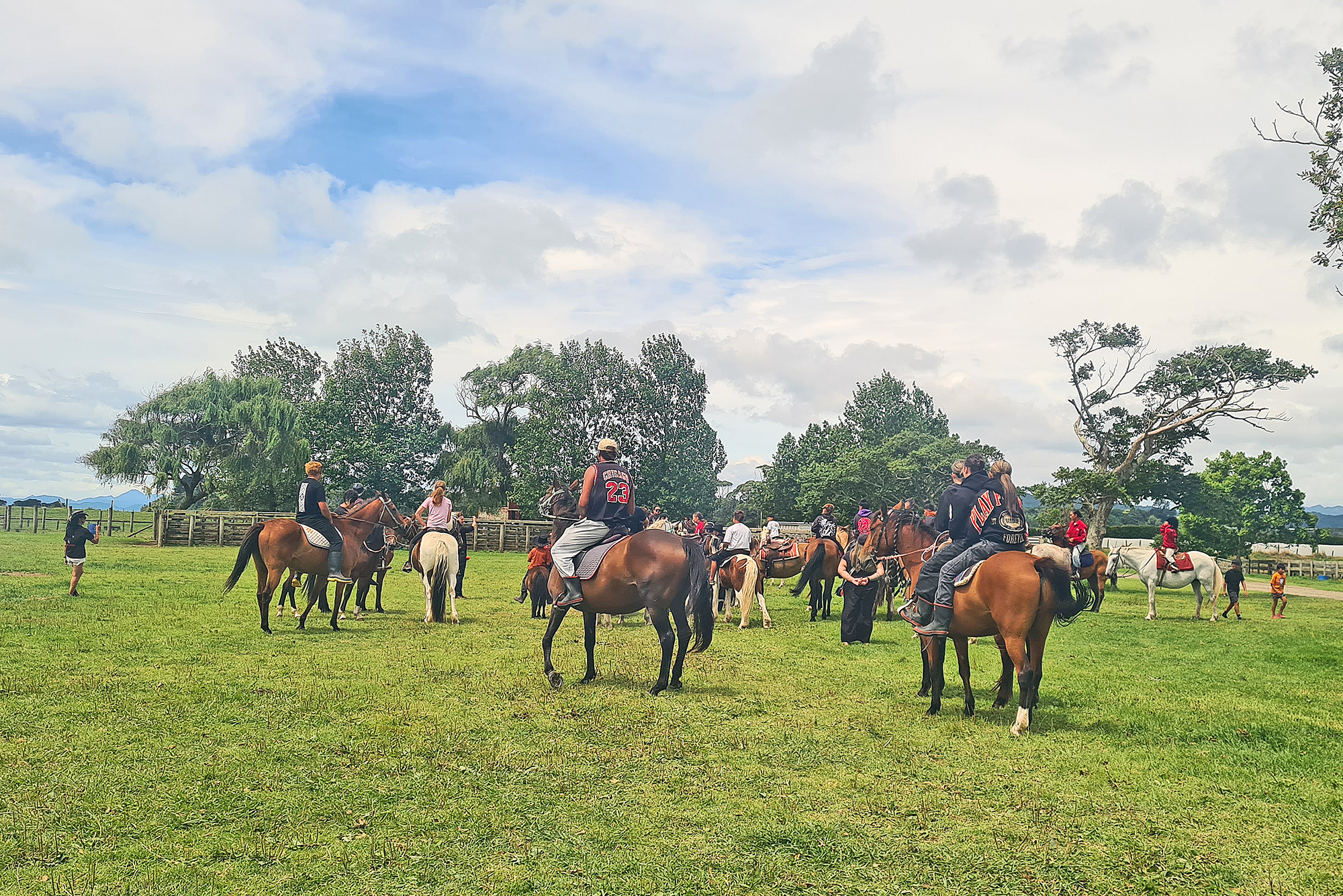
As rangatahi gathered near the horses, the animals responded almost immediately, shifting and softening to the energy around them.
Without instruction or urgency, whānau quietly adjusted space – not pushing the horses away, but allowing just enough distance for everyone to settle.
The young people listened to Mr de Jong as he directed them to different directions for different camera shots and takes.
He also connected with old friends from Ōpōtiki and engaged with tamariki and rangatahi.
In discussing the importance of horses in our community, many shared how horses read energy.
People who understand horses do, too. That shared awareness creates an environment where regulation happens naturally, without force or pressure.
This regulation helps the horse community become more grounded, centred and focused on the innate connection with their horses.
Roberta Shaw from Mount Up explained that horses offer a powerful form of support for rangatahi, particularly those with neurodiverse needs.
Unlike many therapeutic settings, horses do not rely on conversation. They respond to presence, tone, and body language. She encourages rangatahi in Ōpōtiki to try horse riding.
This non-verbal connection allows young people to feel safe first, often before they are able to articulate what they are feeling.
Time spent with horses can help calm heightened nervous systems, build trust, and support emotional regulation in ways that traditional environments sometimes cannot.
Ochea Edwards-Martin from Gallop and Gather with Och spoke about balance as a central element of horse riding.
Beyond physical co-ordination, riding requires emotional steadiness, focus, and clear intention.
Learning to move alongside a horse encourages confidence and self-belief.
Over time, rangatahi begin to feel stronger and more centred, relaxed in themselves and more assured in their ability to manage challenge.
Those lessons, often carry into other areas of life.
The Seven Sharp segment also acknowledged ongoing tensions in Ōpōtiki around horses, particularly concerns about roaming and public safety.
These concerns are frequently raised within the community, and those involved in the kaupapa did not dismiss them.
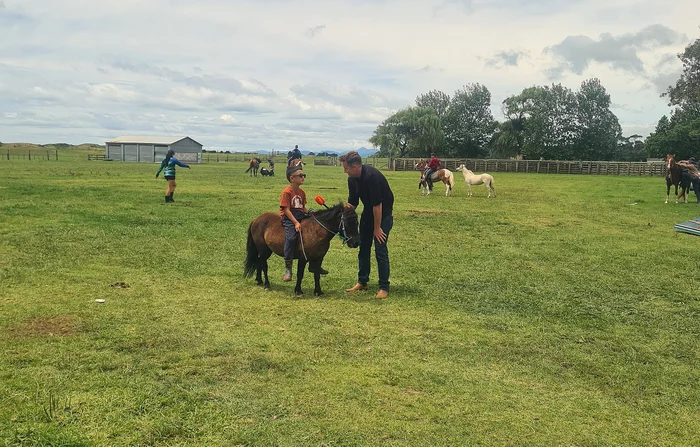
However, they emphasised that horses have long been part of Ōpōtiki’s social and cultural landscape.
While there are cases where horses are not adequately cared for, the majority are well looked after, well shod, exercised regularly, and deeply valued by their owners.
For many families, horses are not a problem to be managed away – they are whānau.
Rather than framing the issue as one of blame, the programme pointed toward practical, collective solutions.
These include more grazing areas, dedicated horse paddocks, safer access points for collecting and moving horses, and greater understanding from the wider community about the role horses play in wellbeing and connection.
For those involved, the Seven Sharp visit offered national visibility for a kaupapa that is often carried quietly and locally. It presented a fuller picture of life in Ōpōtiki – one where horses are an integral part of the community, supporting calm, confidence, and collective wellbeing.
The Seven Sharp segment is now available to watch.