
Kawerau council adopts Waste Management and Minimisation Plan
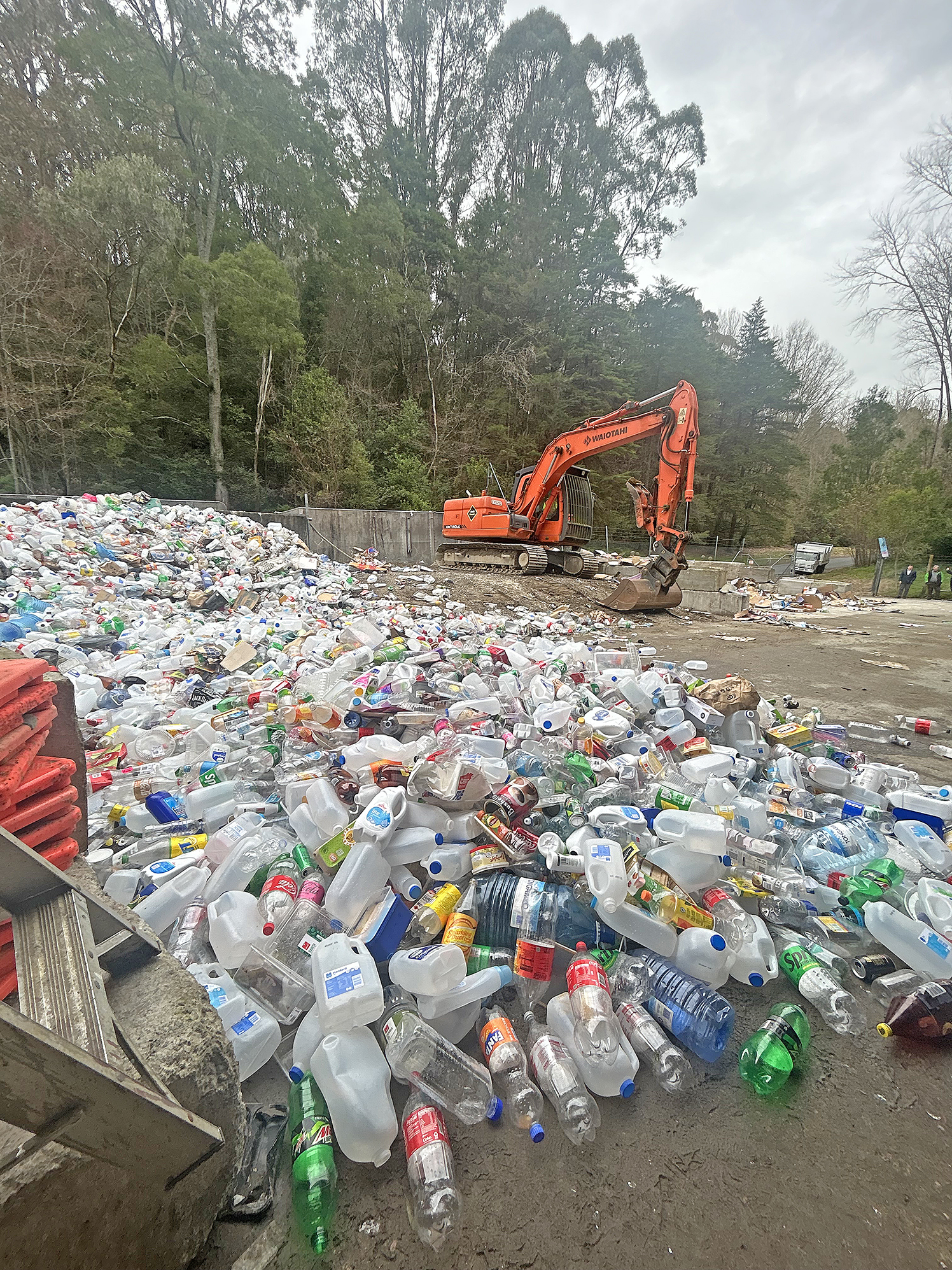
RECYCLING: Kawerau District Council is diverting 30 to 40 percent of its total waste away from landfill.
News Editor
In its final meeting of the year, Kawerau District Council adopted a Waste Management and Minimisation Plan.
Councils are mandated by the Local Government Act 2002 to provide sanitation services as part of a comprehensive waste management framework also governed by various other legislative requirements.
A key aim of the plan is the diversion of waste streams away from landfill. Kawerau District Council is diverting 30 to 40 percent of its total waste away from landfill.
The driver to further reduce waste and divert recyclable and other material from landfill has multiple benefits, being better kaitiaki or stewards helping to reduce environmental impacts, ensuring materials are reused and kept in circulation longer, thus achieving waste reductions that are affordable to the community.
Following various updates and a review of the district’s waste assessment, the draft Waste Management and Minimisation Plan was adopted by the council in June and put out for public consultation.
After a range of engagement activities, including public meetings, information stalls at local markets and an online campaign, 79 submissions were received providing detailed information and feedback.
Most submitters either strongly agreed (45 submitters) or agreed (25) with the direction of the Waste Management and Minimisation Plan to reduce the amount of waste being created and to increase the diversion rate away from the landfill through recycling or reusing.
Key themes emerged from the public consultation:
■ Ongoing and enhanced education and communication about recycling and waste reduction
■ Improving processes and infrastructure for kerbside collections and drop-offs at the Transfer Station
■ Collaboration with local businesses to promote waste reduction, including expanded options for recycling plastics and batteries
These themes have been addressed within the Waste Management and Minimisation Plan with more actions including plans for levy-funded zero-waste educational initiatives, increased signage and refined language for the district’s high Māori demographic and more collaboration to achieve environmental goals.
In parallel, the council has upgraded services at the transfer station to make it easier for the community to drop off sorted recycling free of charge, and other items as part of product stewardship arrangements.
This includes:
■ Upgrading the Transfer Station to provide easy access for the community to drop off sorted recycling including paper, glass, cardboard free of charge
■ The council joined the National Tyre Stewardship and residents can now drop-off up to five tyres free of charge
■ The council joined the national battery recycling stewardship group in mid-2025 to provide free drop-off small home batteries, in addition to the existing vehicle battery drop off service already offered
■ Changing the charging rate for the sale and purchase of materials at the Transfer Station by weight (this ensures those who use the service are paying for the service or products)
The council operates an in-house recycling collection service that includes the collection of kerbside recyclables, the onsite processing of concrete into crushed aggregate for resale, collection and processing of green waste at the rapid infiltration basins into compost that is used within the district and other reuse activities.
Since receiving the feedback, the council has increased communication on social media platforms and in its monthly newsletter to residents about the solid waste changes and services available.
Last week, a guide on kerbside recycling, greenwaste and the services available at the transfer station was delivered to every home in the district, with the aim of reducing the uptake of recycling, lowering contamination of greenwaste to make a better quality compost and being better kaitiaki stewards of the environment.
Submitters will now be contacted and advised that the plan was adopted and that further work, particularly education with schools and with the community, will be scheduled in 2026.
This includes developing and delivering educational materials and workshops on composting and reuse and investigating subsidies for home compost bins/worm farms via waste levy funding to encourage food and greenwaste diversion. Improving the quality of recyclables collected is another key focus.
Overall, the plan aims to contribute to the New Zealand National Target of 2030 of a 10 percent reduction of waste generated per person and a 30 percent reduction in waste disposed per person (based on a 2020 baseline); and a 30 percent reduction in biogenic methane from waste (based on a 2017 baseline).
Council will continue to investigate options to work with neighbouring councils to develop better ways to manage solid waste.
Win-win with recycled glass
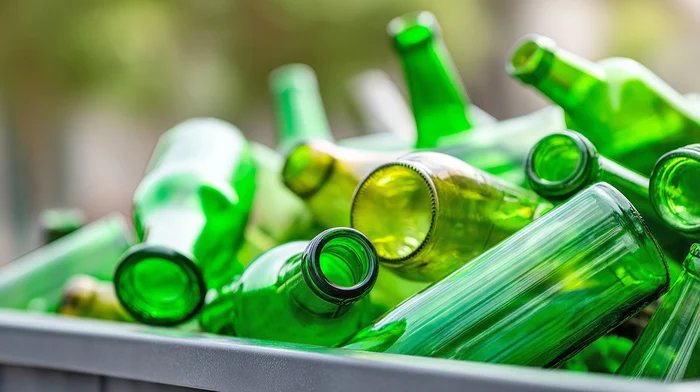
Kawerau District Council’s recycled glass is now earning it money.
The council has an arrangement with Visy in Auckland, which buys the council’s recycled glass. Once the council has stockpiled sufficient mixed glass, it is loaded onto a truck and transported to Auckland.
The arrangement with Visy means the council is making a small profit on-selling the glass – if there is not any contamination – rather than it costing the community to collect, transport and dispose in the landfill.
The council says it’s a win-win with environmental benefits and cost reductions.
Visy is Australia and New Zealand’s largest manufacturer of recycled glass bottles and jars, recycling 485,000 tonnes of glass containers, jars and bottles at its multiple facilities and remanufacturing them into three billion bottles and jars each year.
According to the company’s website, it reached 70 percent recycled contact in its glass packaging in New Zealand in 2024.