
Surf training worth a look
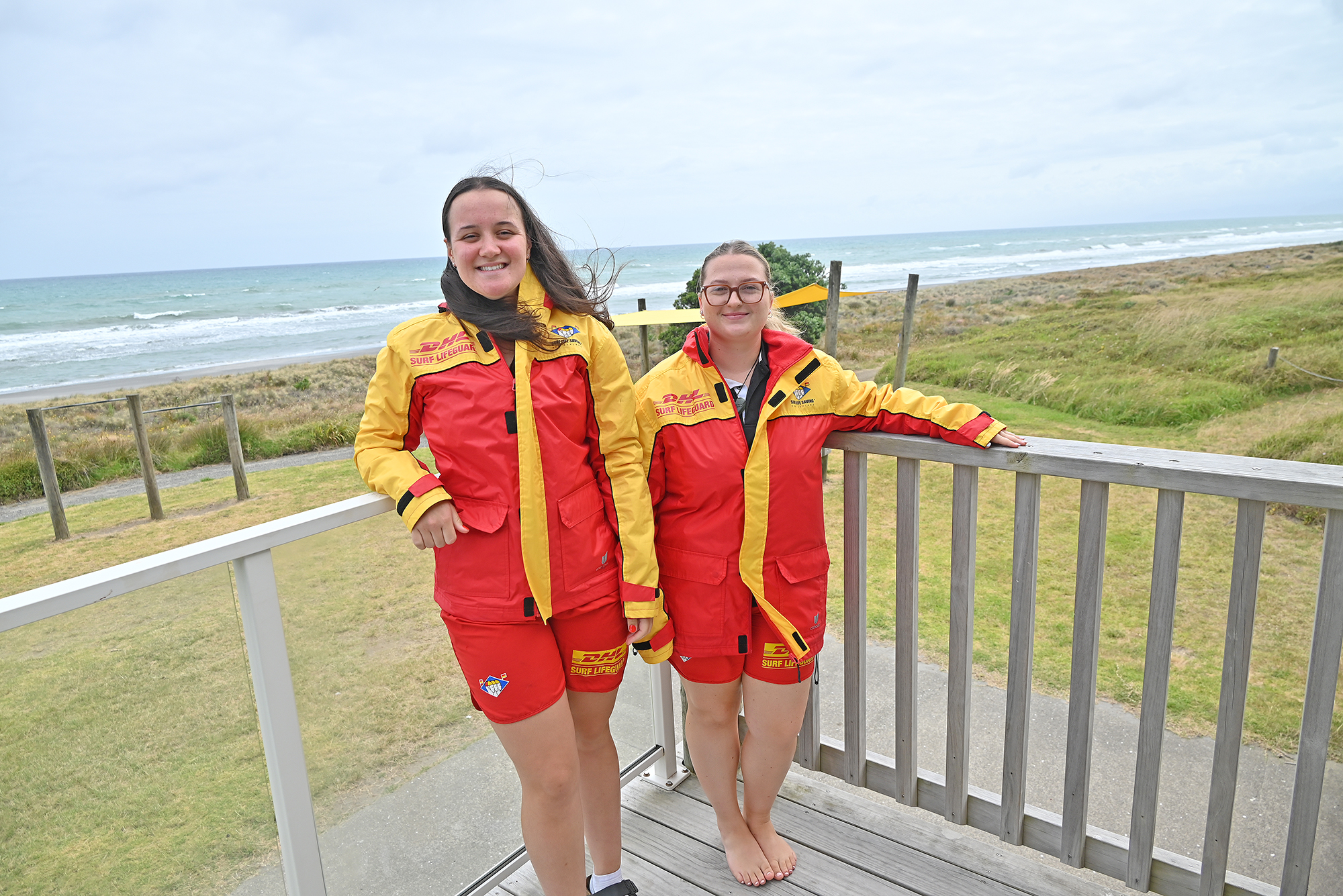
GREAT SPORT: Brooke Leeder and Abby Ashford say surf life saving enhanced their formative years at Ōpōtiki and likely influenced the choice of medical careers. Photo Paul Charman E5788-01
Paul Charman
With summer starting in earnest, now is the time for youngsters to look at surf lifesaving.
That’s the message from Ōpōtiki Surf Lifesaving Club members Abby Ashford and Brooke Leeder, who respectively coach primary and college-aged children at the club.
The pair, who have been involved in the club since childhood, say lifesaving is a first-rate hobby, enabling young people to gain confidence, make friends and build useful skills.
They learn to read sea conditions in order to keep themselves and others safe around water. And many a youngster who had gained qualification as a lifeguard has gone on to find a professional role in this field.
Those training at the surf club are eligible to take lifeguard examinations from the age of 14 upwards.
This qualification entitles people to work professionally in an aquatic environment, such as a pool, beach, or lake, to supervise swimmers, prevent accidents, and perform rescues.
It requires passing a written examination, demonstrating knowledge of CPR, completing 400 metres in the pool in under nine minutes, a tube rescue and a run-swim-run under six minutes. All training required is available at the surf club.
Younger club members may train toward their lifeguard qualification for a couple of seasons. Some will get there in one season,
“I have been around the club from the age of four or five onwards,” Leeder said.
“Initially, as a younger child, it was about spending time at the beach and getting confident in the surf.
“As time goes by you really enjoy hanging out with friends and doing fun stuff.
“There’s some responsibility involved and a lot to learn, both of which feel good when you're young.
“There’s also the opportunity to aim high in the lifesaving sport itself – going away to compete in club competitions at regional and even national level. These competitions are fun and provide a purpose for training.”
Ashford started with the club when she was 14, gaining her lifeguard qualification the first season.
“I grew up pretty much around the ocean, swimming, surfing and snorkelling. I loved being at the beach, so being a lifeguard seemed like a perfect hobby to add to the list.
“A lot of my mates were involved in the club, and it was cool to be around them. The competitive side came out when we were kids, and we really enjoyed that. I loved first aid and thought learning CPR was fabulous.”
Within surf lifesaving there were “heaps of different options”.
“Some young people find out they are good on the beach and that running is their jam. Others may be good at swimming.
“Recently, we’ve been out on kneeboards learning how to deal with waves. From there, they can move onto surf skis and beyond.”
From the age of 16, young people can study to become IRB drivers, while those with their lifeguard qualification are eligible to become IRB crew members.
Not all members of the club were keen on lifeguarding. Some became interested in patrol support, which was more land-based.
Those who specialised in this area often kept watch in the tower and did additional study in first aid. It’s a great role for somebody who may not be confident in the water yet – maybe something to focus on during your first season with the club.
“A lot of adults begin doing patrol support. After focusing on their swimming, they can go for their lifeguard qualification a couple of years later.”
Both credit becoming first aiders at a young age to steering them toward medical careers.
This year, Ashford has been studying as a student nurse in Whakatane, while Leeder has worked toward a medical degree at Otago University.
Leeder said it could only be a good thing for young people to experience volunteering and helping their community.
“Even at 14 you knew that you could save somebody’s life. We were both involved in rescues and this helps you mature. The best part is that the training you receive means you know what to do.”
Being an active member of the surf lifesaving club can lead to high levels of fitness.
They said, having admired their coaches when growing up, taking up the challenge of coaching had been a natural progression.
Leeder, who coaches youngsters aged between 12 and 14, said the level of confidence they gained was great to see.
“They become a close group, likely forging friendships which will last a lifetime.
“Once they get the hang of it and know a few people, they like hanging out here at the club.
“Some are driven to achieve personal goals – such as their 200-metre swim badge, a younger version of the lifeguard swim but still challenging.”
“The opportunities within surf are amazing,” said Ashford.
“I’d recommend parents take a closer look – especially if their kids are water babies anyway.”
“I’d encourage people to come on Sundays from 10am and take a look. Whether you wish to join as an adult or a child – we’d love to train you,” said Leeder.
“Many of us have found being involved with the club heaps of fun. You never know, it might be just the hobby you have been looking for.”