
Opinion: Fixing the basics, building a future: A regional renaissance for the East Coast
.
■ As 2025 comes to a close, I have been reflecting on what has been achieved across our electorate this year, writes East Coast MP Dana Kirkpatrick.
It has been a whirlwind 12 months, but one thing is clear: the Eastern and Western Bay of Plenty are seeing unprecedented investment in infrastructure, housing, health, and economic productivity.
These projects are not just numbers on a page – they are solutions that create jobs, strengthen communities, and lay the foundations for long-term prosperity.
Infrastructure has been a cornerstone of this progress. Roads and bridges are the arteries of our regional economy, and when they are resilient, our forestry, farming, and horticulture sectors thrive.
In the Eastern Bay, we have seen major project announcements, such as the $69 million upgrade of the Pekatahi Bridge and the $10 million Ohiwa Beach Road/SH2 intersection improvements.
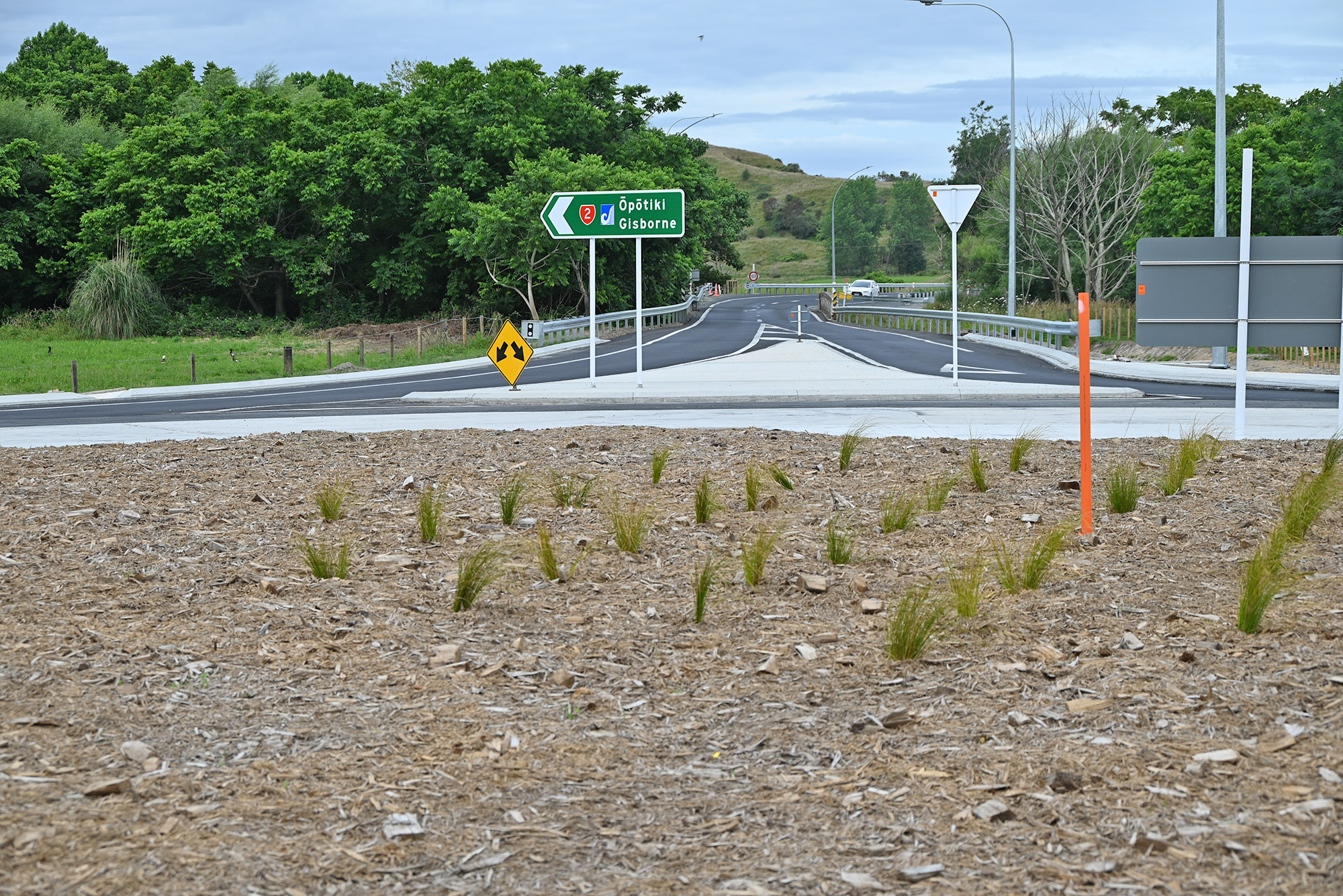
Works are nearly completed on the $10 million Matekerepu Roundabout.
These investments are about more than safer travel – they are about unlocking growth, reducing freight costs, and ensuring our producers can get goods to market efficiently.
Every dollar spent strengthens local supply chains and creates opportunities for contractors and workers right here in our communities.
Housing remains one of the most pressing challenges. High rents, limited supply, and rising homelessness have placed enormous strain on families in Whakatāne, Ōpōtiki, Kawerau, and beyond.
This year, Budget 2025 introduced the contestable Flexible Fund, a new approach that allows community housing providers and Māori organisations to deliver homes tailored to local needs.
As a result, between 210 and 230 new social houses and affordable rentals will be built in Gisborne and the Eastern Bay. This is targeted investment, designed to meet the reality that half of those on the housing register in our region require one-bedroom homes – yet these are the hardest to find.
Health services have also been a focus. In the Eastern Bay, the priority has been the return of secondary maternity services, expected in April next year. This will be a huge relief for families who have had to travel long distances for essential care.
In Whakatāne, the Waiariki Whānau Mentoring Resilience Café has expanded its services, providing vital support for mental health conversations. Their kaupapa is inspiring – families drawing on their own lived experiences to help others through difficult times. It is grassroots resilience at its finest, and it deserves recognition.
Economic productivity has been boosted by two significant announcements.
First, regional airlines Air Chathams and Sunair – lifelines for our remote communities – will receive $30 million in loan availability through the Regional Infrastructure Fund.
Reliable air services are critical for connectivity, and this support ensures flights continue when withdrawal is a real risk.
Second, $5 million has been invested into Eastland Port to enable container shipping. This is transformational for our exporters, from wood processors to kiwifruit growers, opening new opportunities for innovation and trade.
Cultural heritage has not been forgotten. The Government has committed $50 million to relocate five marae out of flood zones to safer ground.
Closer to home, we saw the incredible work of Kutarere Marae during the recent Ōpōtiki flooding event, providing shelter and support to the community. Marae are the heart of our regions, and ensuring their resilience is vital for the wellbeing of whānau.
We have seen significant investment in schools in our region, and I note that specific support was extended to Ōpōtiki College for property and staff support.
We have confirmed new classrooms for Kawerau South School and many schools have had their property maintenance budgets increased by 50 percent, these include Tarawera High School, Kawerau South, Putauaki, Ōhope Beach, Edgecumbe, Maketu, Te Kura o Ōmaramutu, Ōtamarakau, Paengaroa, Rangiuru, Waimana and Te Kura Kaupapa Motuhake o Tawhiuau in Murupara.
Altogether, more than $350 million has been invested this year across housing, infrastructure, cultural heritage, and trade. This is more than recovery – it is a regional renaissance. Thousands of jobs are being created, safety is being enhanced, and the groundwork for a stronger future is being laid.
As we head into Christmas, I want to acknowledge those who will not get a break – emergency workers, health professionals, and volunteers who serve tirelessly.
In particular, the volunteers in Ōpōtiki and Matatā who deliver fatigue stops on New Year’s Day for travellers returning from Rhythm and Vines. Their efforts are commendable and deeply appreciated.
The Bay of Plenty is resilient, innovative, and proud.
By fixing the basics and building the future, we are ensuring that prosperity is shared across our communities.
Bring on 2026.